
The Ethics of AI in Creative Fields: A Deep Dive
Published on August 12, 2025
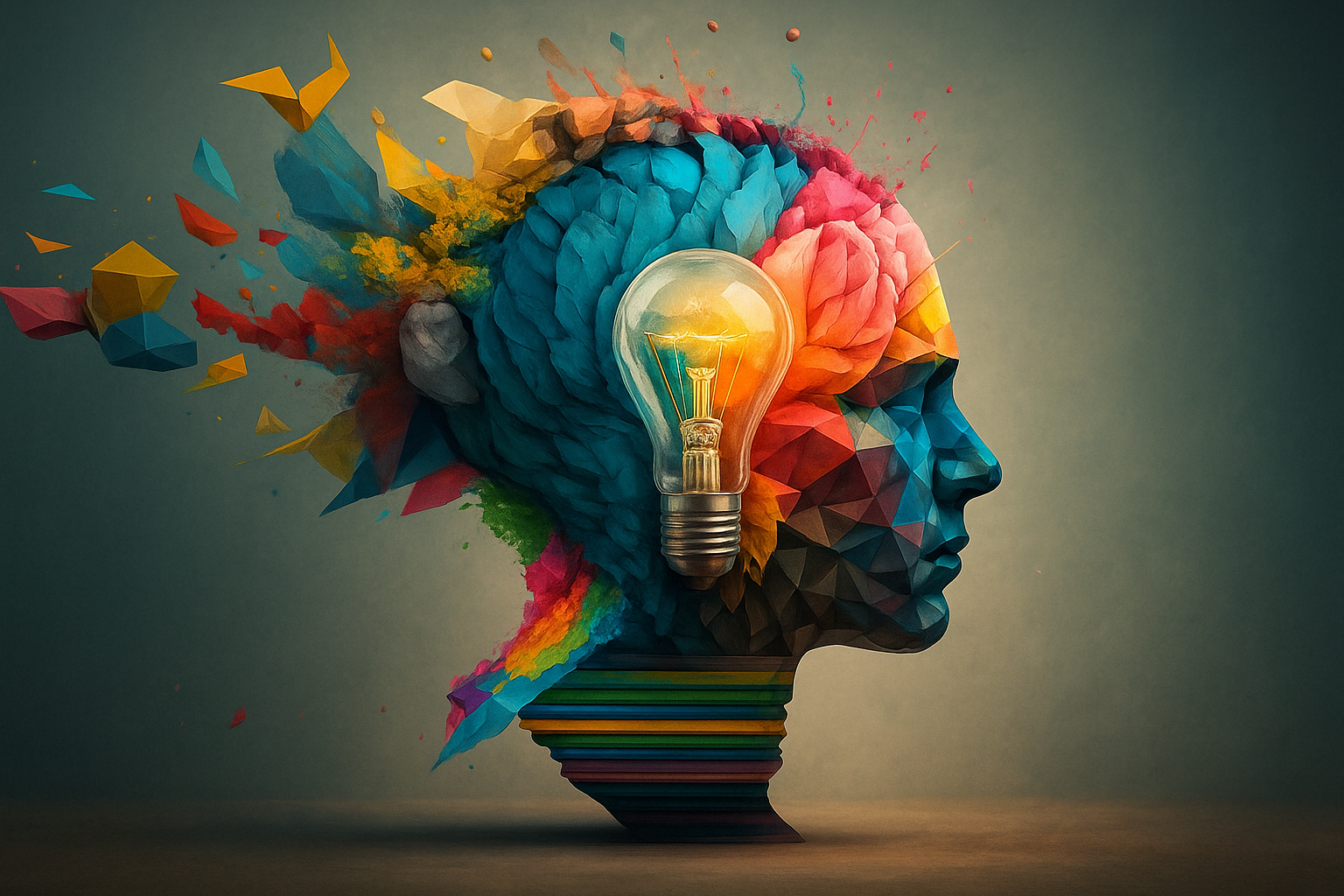
The integration of Artificial Intelligence into creative fields like music, visual arts, and writing has sparked a profound and often contentious ethical debate. As AI tools become capable of generating increasingly sophisticated creative works, questions surrounding authorship, copyright, originality, and the very nature of creativity itself come to the forefront.
This deep dive explores some of the key ethical considerations that creators and learners, technologists, and society as a whole must grapple with as AI continues to reshape the creative landscape. Navigating these challenges thoughtfully is crucial for fostering a future where AI augments, rather than diminishes, human artistic endeavor.
Authorship and Copyright in the Age of AI
Who owns the copyright to a piece of music or art generated by an AI? Is it the AI developer, the user who provided the prompt, or can an AI itself be considered an author? Current legal frameworks in most jurisdictions do not recognize non-humans as authors, meaning AI-generated works often fall into a complex gray area.
This ambiguity has significant implications for creators and learners whose work might be used to train AI models without their consent or compensation. Furthermore, if AI-generated content cannot be copyrighted, it could flood the market with royalty-free material, potentially devaluing the work of human artists.
Originality, Authenticity, and Bias
AI models learn by analyzing vast datasets of existing human-created works. This raises questions about the originality of AI-generated content. Is it merely a sophisticated imitation, or can AI truly create something novel and authentic? The answer likely lies in how AI is used – as a tool for inspiration and variation, it can lead to originality; as a pure generator, it may reflect the biases inherent in its training data.
"The challenge is to ensure that AI tools promote diverse and original expressions, rather than perpetuating existing stylistic biases or creating a homogenized creative output."
If training data predominantly features certain styles or demographics, AI outputs may inadvertently marginalize others. Addressing algorithmic bias and ensuring diverse representation in training datasets are critical ethical imperatives.
The Future of Creative Professions
- Will AI tools displace human creators and learners, or will they create new roles and opportunities?
- How can educational systems prepare aspiring artists for a future where AI collaboration is the norm?
- What economic models can support human creators and learners in an AI- suffused creative economy?
- How do we maintain the value of human skill, emotion, and lived experience in art?
The ethical path forward requires ongoing dialogue between artists, developers, policymakers, and the public. Establishing clear guidelines for data usage, promoting transparency in AI algorithms, and developing new frameworks for intellectual property are essential steps. Ultimately, the goal should be to harness AI's creative potential in a way that empowers human artists, fosters innovation, and enriches our cultural landscape ethically and equitably.