
Crafting Perfect Melodies with AI Assistants
Published on June 5, 2025
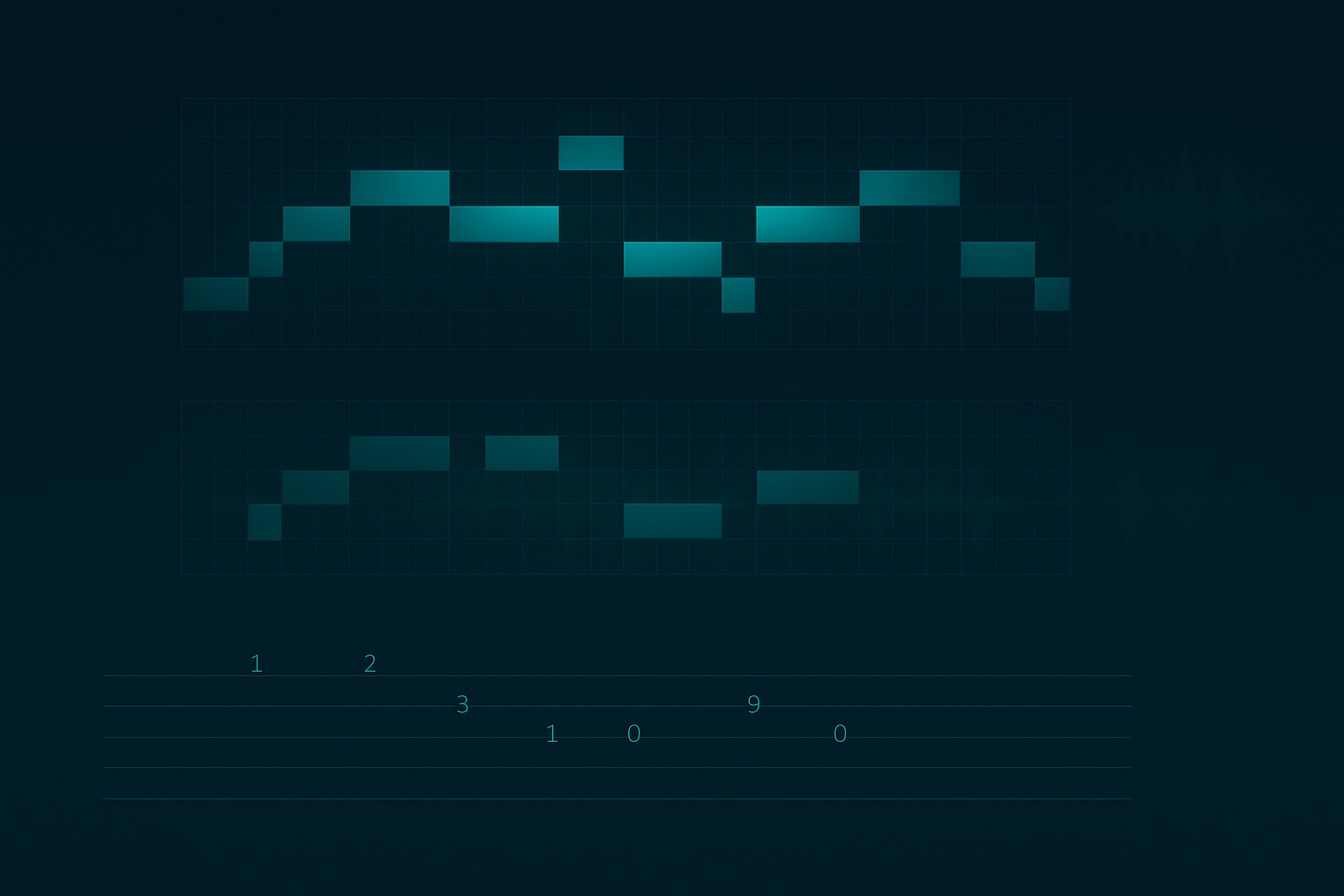
Melody is often the heart of a song, the memorable line that sticks with listeners. But crafting that perfect melody can be a daunting task, even for experienced musicians. AI melody assistants are emerging as powerful tools to spark inspiration and refine musical ideas.
These AI tools are not designed to replace human creativity but to augment it. They can analyze existing musical phrases, suggest variations, or generate entirely new melodic fragments based on parameters like key, scale, mood, and rhythmic complexity. This collaborative approach can help musicians break through creative ruts and explore melodic possibilities they might not have considered otherwise.
How AI Melody Generators Work
Most AI melody generators leverage machine learning models trained on vast datasets of existing music. These models learn the statistical patterns and relationships that define melodies in various styles and genres. When a user provides input (like a chord progression or a rhythmic idea), the AI can then predict and generate melodic lines that are musically coherent and stylistically appropriate.
Some advanced tools allow for real-time interaction, where the AI responds dynamically to a musician's playing or input. This can feel like jamming with a highly responsive, albeit artificial, musical partner. The level of control offered varies, from simple "generate" buttons to complex parameter adjustments for fine-tuning the AI's output.
Overcoming Creative Blocks
One of the most significant benefits of AI melody assistants is their ability to help musicians overcome creative blocks. Staring at a blank DAW screen can be intimidating. An AI tool can quickly provide a set of starting points, a melodic seed that can be developed, or even a contrasting idea to a melody you're stuck on.
"Think of AI melody tools as an extension of your musical sketchbook, offering endless 'what if' scenarios at the click of a button."
This doesn't diminish the role of the musician; rather, it provides more raw material to work with. The human artist still curates, refines, and contextualizes the AI's suggestions, ensuring the final melody aligns with their artistic vision.
Tips for Using AI Melody Assistants Effectively
- Start with clear constraints: Define key, tempo, and desired mood to guide the AI.
- Don't expect perfection: Use AI suggestions as starting points, not finished products.
- Iterate and experiment: Generate multiple variations and combine the best elements.
- Learn from the AI: Analyze why certain AI-generated melodies work well and incorporate those principles into your own writing.
AI melody assistants are rapidly evolving, becoming more sophisticated and intuitive. As they integrate more seamlessly into music creation and learning workflows, they promise to unlock new levels of melodic creativity for musicians of all skill levels. The future of melody crafting is likely to be a harmonious blend of human intuition and artificial intelligence.