
The AI Revolution in Music Production
Published on July 22, 2025
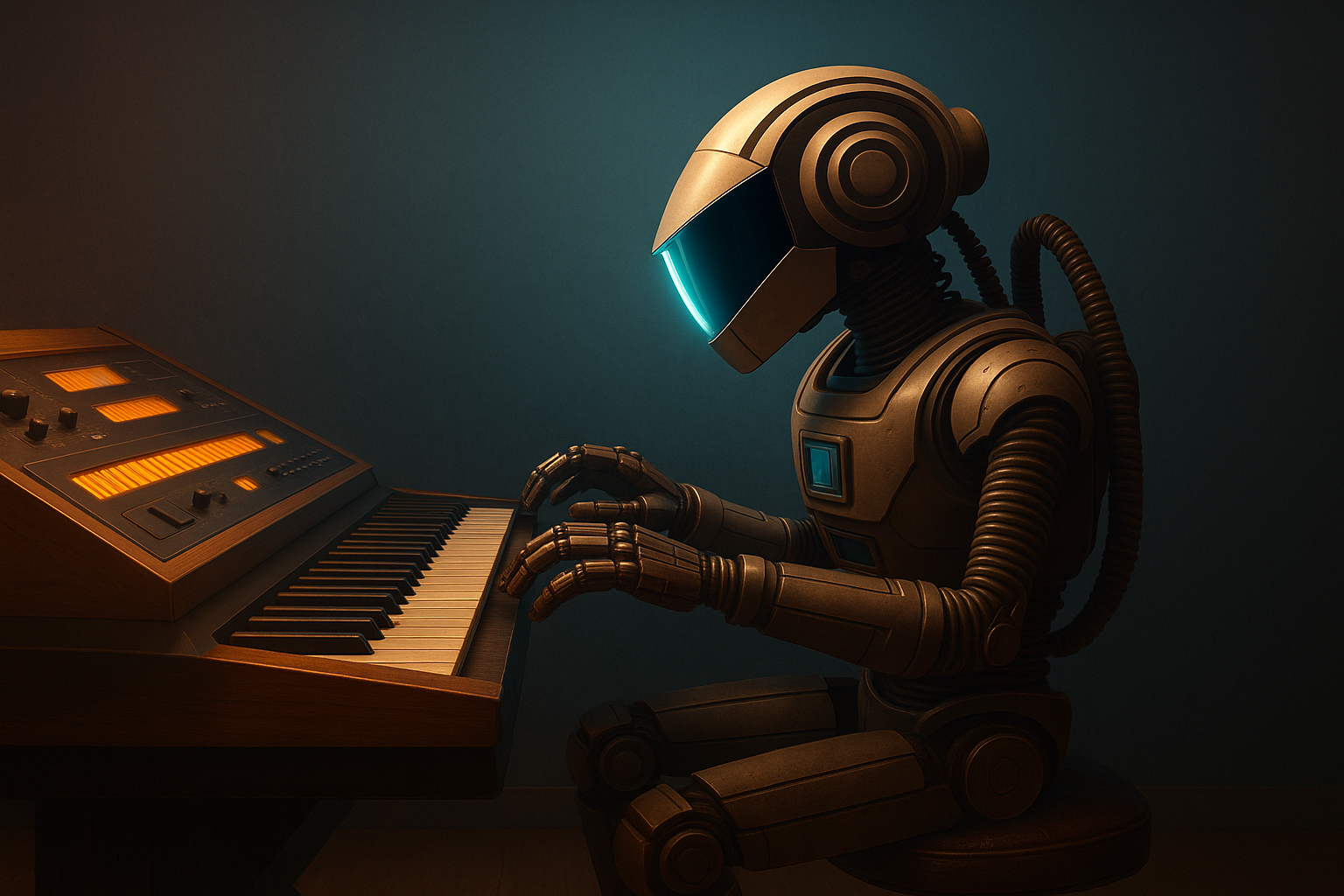
The landscape of music production is undergoing a seismic shift, driven by the rapid advancements in artificial intelligence. From algorithmic composition to AI-powered mastering, the tools at a musician's disposal are evolving, opening up new creative avenues and streamlining complex workflows.
This revolution isn't just about automation; it's about collaboration. AI is becoming a creative partner, offering suggestions, generating novel ideas, and handling tedious tasks, allowing artists to focus more on their unique vision and expression. We're seeing AI integrated into digital audio workstations (DAWs), standalone plugins, and even hardware instruments.
AI in Composition and Songwriting
One of the most fascinating areas is AI's role in composition. Tools can now generate chord progressions, melodies, and even entire song structures based on user input or learned patterns from vast musical datasets. This doesn't mean AI writes the music for you, but rather provides a springboard for inspiration, helping to overcome creative blocks or explore unfamiliar musical territories.
Imagine an AI that can suggest variations on a theme you've written, or create a counter-melody that perfectly complements your lead. These assistants can analyze your style and offer musically coherent ideas, significantly speeding up the songwriting process and leading to potentially unexpected and innovative results.
Intelligent Mixing and Mastering
Mixing and mastering, traditionally complex and time-consuming processes requiring years of experience, are also being transformed by AI. AI-powered plugins can analyze your tracks and suggest optimal EQ settings, compression levels, and stereo imaging. Some tools even offer automated mastering solutions that adapt to different genres and target loudness levels.
"AI mastering tools are not about replacing human engineers, but about providing accessible, high-quality results for a wider range of creators and learners, especially those on a budget or tight deadline."
While seasoned engineers might still prefer a hands-on approach, these AI tools democratize access to professional-sounding mixes and masters. They serve as excellent starting points or quick solutions for demos and independent releases.
The Future is Collaborative
- Ethical considerations regarding copyright and originality will continue to be debated.
- The development of more intuitive and seamlessly integrated AI tools is expected.
- AI will likely enable entirely new forms of musical expression and interactive experiences.
The AI revolution in music production is not a distant future; it's happening now. Embracing these technologies thoughtfully can empower artists to reach new creative heights and redefine the boundaries of music as we know it. The key is to view AI as a powerful collaborator, enhancing human ingenuity rather than supplanting it.